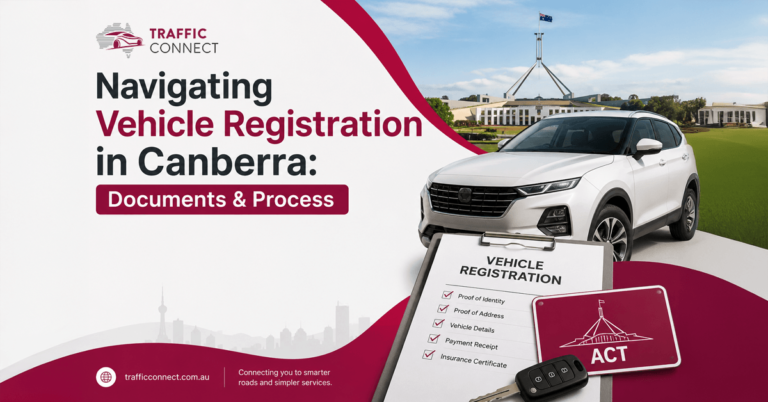
To transfer car registration to another state in Australia, you need to complete a vehicle check and take out CTP insurance, cancel old registration and transfer the vehicle to your new state- which is normally taken in 14 days after transferring or acquiring the car.
Key Takeaways
- Interstate car registration transfer is required when a vehicle is purchased in another state within Australia. It is crucial that your car should be registered in the state where it is primarily kept.
- Interstate car registration transfer is required when you move to another state or buy a vehicle from another state in Australia. Your car must be registered in the state where it is mainly kept or garaged.
- The transfer of car registration must be done within 14 days after shifting to another state or purchasing a car from another state in Australia. Failure to comply with this requirement may result in a fine or penalty.
- A car inspection is usually necessary before you register your car from another state. This may include a Roadworthy Certificate (RWC), Safety Certificate, or Blue Slip inspection in NSW.
- Compulsory Third Party (CTP) insurance is required before you register your car from another state in Australia. In NSW, this is called Green Slip.
- After registering a vehicle in your new state you have to cancel the prior registration. You must also give back the number plates previously used and in most cases you can get a refund of unutilized registration fees.
- The transfer needs important documents such as the identity, address proofs, vehicle ownership documents, inspection certificates and CTP insurance information.
- The registration transfer fees vary between the different states and the type of vehicle. However, the total cost of the registration will be between $300 and $1,200.
- A change of state of registration also normally causes new number plates to be issued when a vehicle is registered in another state since each state has its own registration system.
- You will be allowed to drive the vehicle using the interstate registration for a short period before the registration is transferred to the new state.
- When transferring a vehicle between states in Australia, it is advisable to prepare documents early and take appropriate steps to ensure that there is no delay, penalty and registration problems.
Interstate transfer is a standard practice in the registration of cars in Australia, particularly the transfer of cars in the case of interstate migration, acquisition of a car in one state and transfer of the car in another state, or in the case of interstate transfer.
Registration policies on motor vehicles are however handled by different state authorities and this means that the process may not be the same everywhere.
This guideline will clarify all the information you need to transfer registration of your car to another state in Australia, documents, inspections, fees, timelines and errors.
What Does “Interstate Car Registration Transfer” Mean?
An interstate registration transfer happens when:
- You move to another state permanently
- You buy a vehicle registered in another state
- You transport your car to a new state and register it there
When this happens, your vehicle must be registered in the state where it is primarily garaged.
For example:
- Moving from Sydney to Brisbane
- Buying a car in Melbourne but living in Perth
In these cases, the vehicle must be registered in the new state.
When Do You Need to Transfer Vehicle Registration?
You usually need to transfer registration when:
1. Moving to another state
In case of permanent relocation, you should be registered in the new state in which you are moving.
Example:
The residents that have transferred to Queensland should register their vehicle within 14 days of transfer.
2. Buying a car interstate
In case of buying a car in another state, you have to transfer it to your home state.
3. Importing a vehicle from another state
Transporting a vehicle across states also requires new registration.
Step-by-Step Process to Transfer Car Registration in Australia
Although requirements vary slightly across states, the general process is similar nationwide.
Step 1: Check the Vehicle History
Before transferring registration, confirm:
- Vehicle Identification Number (VIN)
- Registration status
- Outstanding finance
- Written-off vehicle records
Many states recommend checking the Personal Property Securities Register (PPSR) before registering an interstate vehicle.
Step 2: Obtain a Roadworthy or Safety Inspection
Most states require a safety inspection before registering an interstate vehicle.
Examples include:
- Roadworthy Certificate (RWC)
- Blue Slip inspection in NSW
- Safety certificate in QLD
These inspections confirm the vehicle meets road safety standards.
Step 3: Arrange Compulsory Third Party Insurance
Otherwise, you have to buy Compulsory Third Party (CTP) insurance prior to registration.
CTP includes injuries on individuals in an accident.
This is referred to as a Green Slip in certain states like NSW.
Step 4: Cancel Registration in the Previous State
Once you register the vehicle in the new state, you must cancel the previous registration.
You may also receive a refund for unused registration fees.
Usually you must:
- Remove number plates
- Return them to the previous state authority
- Request cancellation
Step 5: Apply for New Registration
Next, register the vehicle in your new state.
You can apply through the state’s transport authority, such as:
- Service NSW
- VicRoads
- Transport and Main Roads Queensland
- Department of Transport WA
You must submit:
- Proof of identity
- Proof of ownership
- Proof of address
- Inspection certificate
- CTP insurance details
Step 6: Pay Registration Fees
Typical costs include:
- Registration fees
- Stamp duty
- Plate fees
- Inspection fees
These costs vary by state and vehicle type.
Documents Required to Transfer Interstate Registration
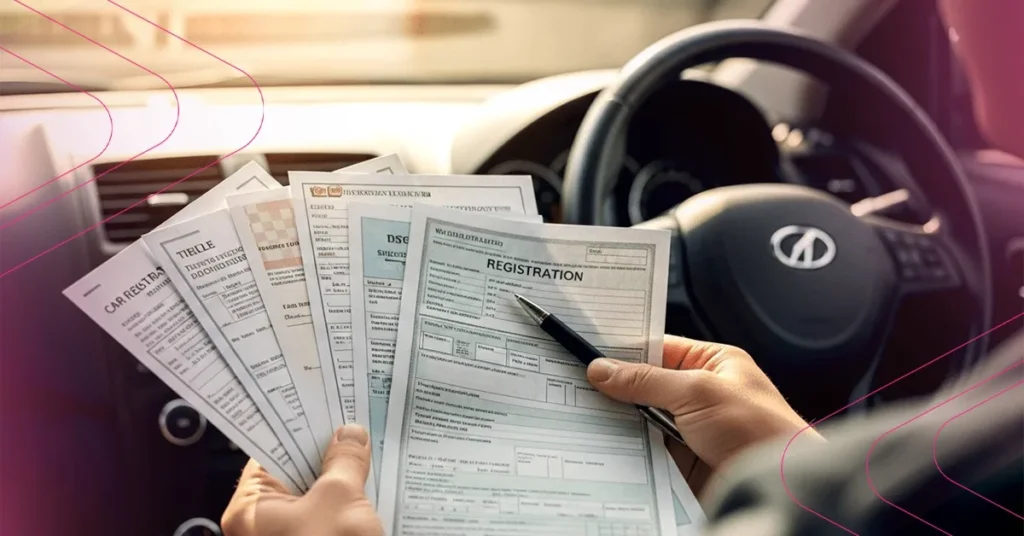
You will typically need:
- Proof of identity (driver licence or passport)
- Proof of address
- Vehicle purchase receipt
- Previous registration certificate
- Inspection certificate
- CTP insurance certificate
- Vehicle details (VIN and engine number)
Having these documents ready helps avoid delays.
How Long Do You Have to Transfer Registration?
Most states require you to transfer registration within 14 days after:
- Purchasing a vehicle
- Moving to another state
If you miss the deadline, late fees may apply.
Can You Drive a Car with Interstate Registration?
Yes, but not more than a little while.
In case of a permanent move, you have to change registration to the new state within the given period.
Otherwise, the punishment can be fined.
Interstate Vehicle Registration Rules by State
Each state has slightly different rules.
New South Wales
Requires a Blue Slip inspection for vehicles coming from another state.
Victoria
Often requires a Roadworthy Certificate issued within 30 days before registration.
Queensland
Requires a safety certificate and CTP insurance before registration.
Common Mistakes When Transferring Registration
Many people face delays because of small mistakes.
1. Forgetting to cancel previous registration
This can cause double registration issues.
2. Missing inspection requirements
Different states require different inspections.
3. Delaying the transfer
Waiting longer than 14 days may result in penalties.
4. Not updating insurance
Insurance policies may not automatically transfer to the new state.
Combine Transport and Registration Transfer
Many people buy vehicles from another state.
Instead of driving long distances, they use vehicle transport services.
Professional transport companies can:
- Deliver the vehicle interstate
- Coordinate inspections
- Help prepare registration paperwork
This approach saves time and reduces travel costs.
Cost of Transferring Registration Between States
Typical costs may include:
- Registration fees
- Stamp duty
- Number plates
- Safety inspection
- CTP insurance
Total cost often ranges between $300 – $1,200 depending on the state and vehicle type.
FAQs
Final Thoughts
Moving the car registration to a different state in Australia is not something very difficult provided you know what is required.
The key steps include:
- Vehicle inspection
- Insurance arrangement
- Cancelling old registration
- Registering the vehicle in the new state
You will be able to save penalties and keep your vehicle legally registered by preparing the necessary papers and doing everything in time, within the given amount of time frame.